Stablecog reviews — what users really think

last reviewed 24 march 2026
how we review

We start with direct ratings from our readers, then look at what real users are saying in practitioner forums and community spaces. We pair that with search demand data and profession-level persona analysis.

full methodology →

Editorial note: this was originally published in may of 2024

quick take

  • Best for: casual hobbyists testing AI image gen without installing software
  • Skip if: you need private images, commercial rights, or professional output quality
  • £Best value: free plan only — the paid tiers don't compete well at their price points
½2.5/ 5 — editorial rating

based on real user feedback, community sentiment, pricing value, and fit for target audience. see our full methodology

used Stablecog? we'd love to know your thoughts

reader ratings shape our score

Stablecog is a free and open-source AI image generator that creates digital artwork from text prompts or existing images. Built on multiple AI models including Stable Diffusion, FLUX, Kandinsky, and Stable Diffusion XL, it offers a straightforward way to generate visuals in different artistic styles.

The platform runs entirely in your browser—no downloads required. Type what you want, and the system generates corresponding images within seconds. You can also upload existing images to create variations through image-to-image transformation.

The free plan offers 20 images per day with slower generation speeds. Paid plans start at $10 monthly and include faster generation, parallel processing, private images, and commercial usage rights. The platform tracks your created artwork through its history sidebar and provides customizable settings for aspect ratios and samplers.

Being open-source means the code is public and the community can contribute to development.

how popular is Stablecog?

monthly search interest

110/mo now

06601.3k2k2023202420252026
peak interest1k/moDec 2022
searches now110/moFeb 2026
1-month change35%vs prev month

Stablecog rode a single spike of curiosity in December 2022 when browser-based Stable Diffusion access felt genuinely novel, then lost 92% of that interest within a year as better-resourced competitors caught up. The search volume has been slowly trickling down ever since, settling around 110-170 searches per month. That's a niche audience at best, which signals this tool has not found a sticky core user base so much as outlasted its original moment.

who is Stablecog for?

Whether Stablecog is worth your time depends a lot on what you're actually trying to do with it. Pick your role below to see the honest breakdown.

what users are saying

The free plan forces your images public by default, which makes it unsuitable for any work you actually want to keep to yourself.

Community coverage of Stablecog is thin and mostly surface-level. The sources that do mention it consistently describe it as "another basic free tool" for generating images from text descriptions, which is accurate but not exactly a ringing endorsement. There's no meaningful Reddit discussion, no detailed user reviews, and no critical breakdown of its strengths or weaknesses from people who've actually used it for more than a quick test. What coverage exists treats it as an entry in a list of free options, not a tool people are building workflows around. The free plan's 20 images per day limit and public-only images are flagged as notable constraints.

Our take: Stablecog peaked in December 2022 when Stable Diffusion was new and anything browser-based felt like magic. In 2025, it's hard to recommend over free tiers on Midjourney, Adobe Firefly, or the open-source alternatives that have caught up and surpassed it. The free plan is genuinely free and requires no setup, which counts for something. But at $10/month for the Starter tier, you're competing with tools that produce better outputs, have more active development, and don't force your images public on the free plan. If you're already paying for any creative suite, check what's bundled before reaching for Stablecog.

features

  • AI Image Generation: Type text descriptions or upload images to generate digital artwork. The AI produces visuals within seconds using generation models.
  • Multiple AI Models: Choose from Stable Diffusion, FLUX, Kandinsky, and Stable Diffusion XL. Each model produces different styles and handles certain image types better than others.
  • Customizable Settings: Adjust aspect ratios and sampler options to control technical parameters and get the look you want.
  • Image Generation History: Track and manage all your generated images through the sidebar. Save and revisit past creations with built-in organization.
  • Parallel Generations and Upscales: Generate multiple images at once on paid plans. Up to 4 parallel generations let you test variations faster instead of waiting for one at a time.
  • Multilingual Support: Write prompts in your preferred language. The platform handles multiple languages without requiring English input.
  • Open-Source Platform: The code is publicly available. You can review it, trust how it works, and contribute improvements if you want.

pricing

  • Free version offers 20 images per day, slow generation speed, maximum of 1 image per generation, no parallel generations, personal use only, public images, and no credit top-ups.
  • Starter plan at $10/month provides 2,000 monthly images, fast generation speed, up to 4 images per generation, 2 parallel generations, commercial use, private images, and optional credit top-ups.
  • Pro plan at $25/month includes 6,000 monthly images, fast generation speed, up to 4 images per generation, 3 parallel generations, commercial use, private images, and optional credit top-ups.
  • Ultimate plan at $50/month offers 12,000 monthly images, fast generation speed, up to 4 images per generation, 4 parallel generations, commercial use, private images, and optional credit top-ups.

frequently asked questions

The free plan is worth a try if you want zero-commitment access to Stable Diffusion and FLUX without installing anything. But the Starter plan at $10/month is harder to justify: you get 2,000 images per month, which sounds like a lot until you compare it to what competitors offer at the same price point. If you need private images and commercial rights, Adobe Firefly or Leonardo.ai give you more for similar money.

It's best suited to hobbyists and casual experimenters who want to try AI image generation without downloading software or creating accounts on platforms with complicated onboarding. It's not built for professional designers or anyone who needs consistent, high-quality outputs at scale.

Two stand out. First, free-plan images are public by default, which makes it unsuitable for any work you want to keep private. Second, the tool has seen a dramatic drop in user interest since 2022 and shows little sign of active feature development that would close the gap with more competitive platforms. Generation quality from its models lags behind current leaders like Midjourney and FLUX-based tools on better-resourced platforms.

These aren't really competing for the same user anymore. Midjourney produces noticeably better image quality and has an active community, but requires a paid subscription from the start. Stablecog is the choice if you want free, no-account, browser-based generation for casual use. For anything you plan to publish or use professionally, Midjourney wins without much debate.

No. The free plan restricts images to personal use only. You need at least the Starter plan at $10/month to get commercial use rights, and those images are also kept private rather than made public. If commercial use is your reason for trying it, factor that $10/month into your comparison with alternatives before committing.

tools for
humans

toolsforhumans editorial team

Reader ratings and community feedback shape every score. Since 2022, ToolsForHumans has helped 600,000+ people find software that holds up after launch. how we research →

other tools to check out

ChatGPT screenshot
online buzz124M
trend (1M)steady
4.0based on real user feedback, community sentiment, pricing value, and fit for target audience. see our full methodology

ChatGPT

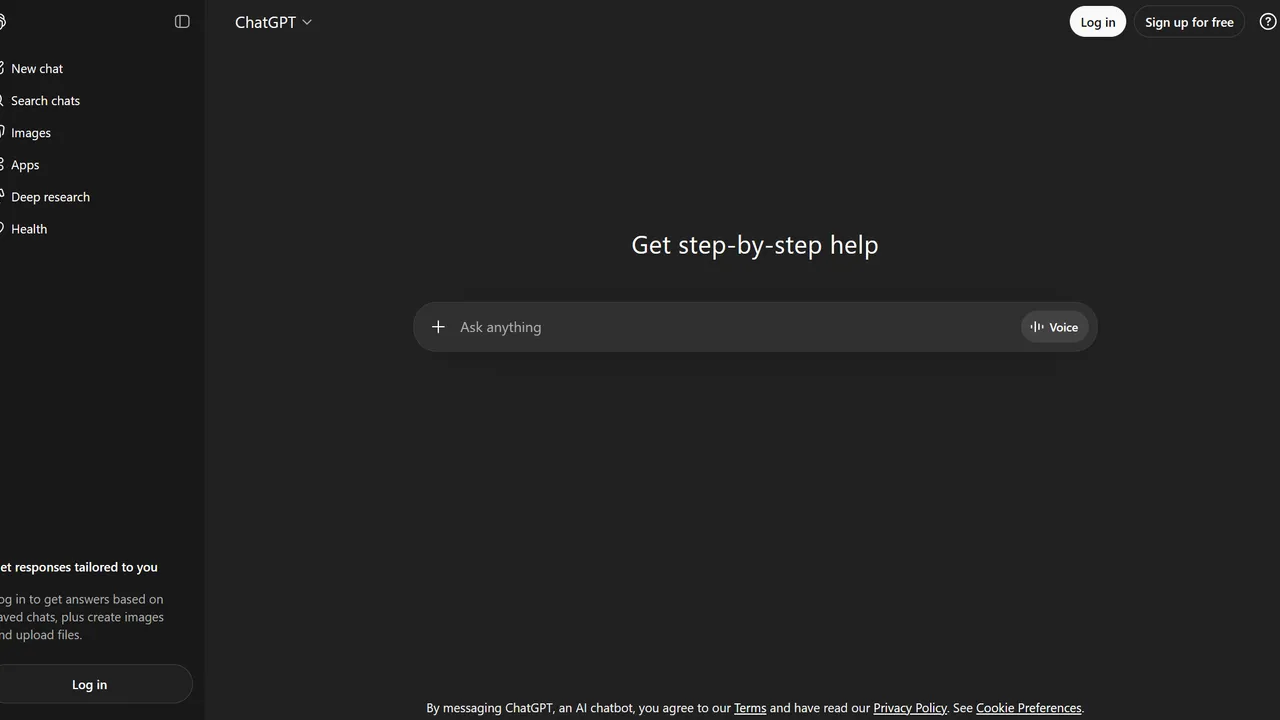
ChatGPT is an AI chatbot by OpenAI that uses language models to hold conversations, generate content, and complete tasks. It includes web browsing, image generation and analysis, voice interaction, autonomous task automation, and custom GPT creation. Available in multiple pricing tiers from free to enterprise, ChatGPT handles creative writing, data analysis, coding, and real-world automation.

best deal

Try ChatGPT Free: Basic AI conversations with GPT-5.2 Instant access (around 10 messages every 5 hours) at no cost.

Gemini screenshot
online buzz20.4M
trend (1M)23%
3.5based on real user feedback, community sentiment, pricing value, and fit for target audience. see our full methodology

Gemini

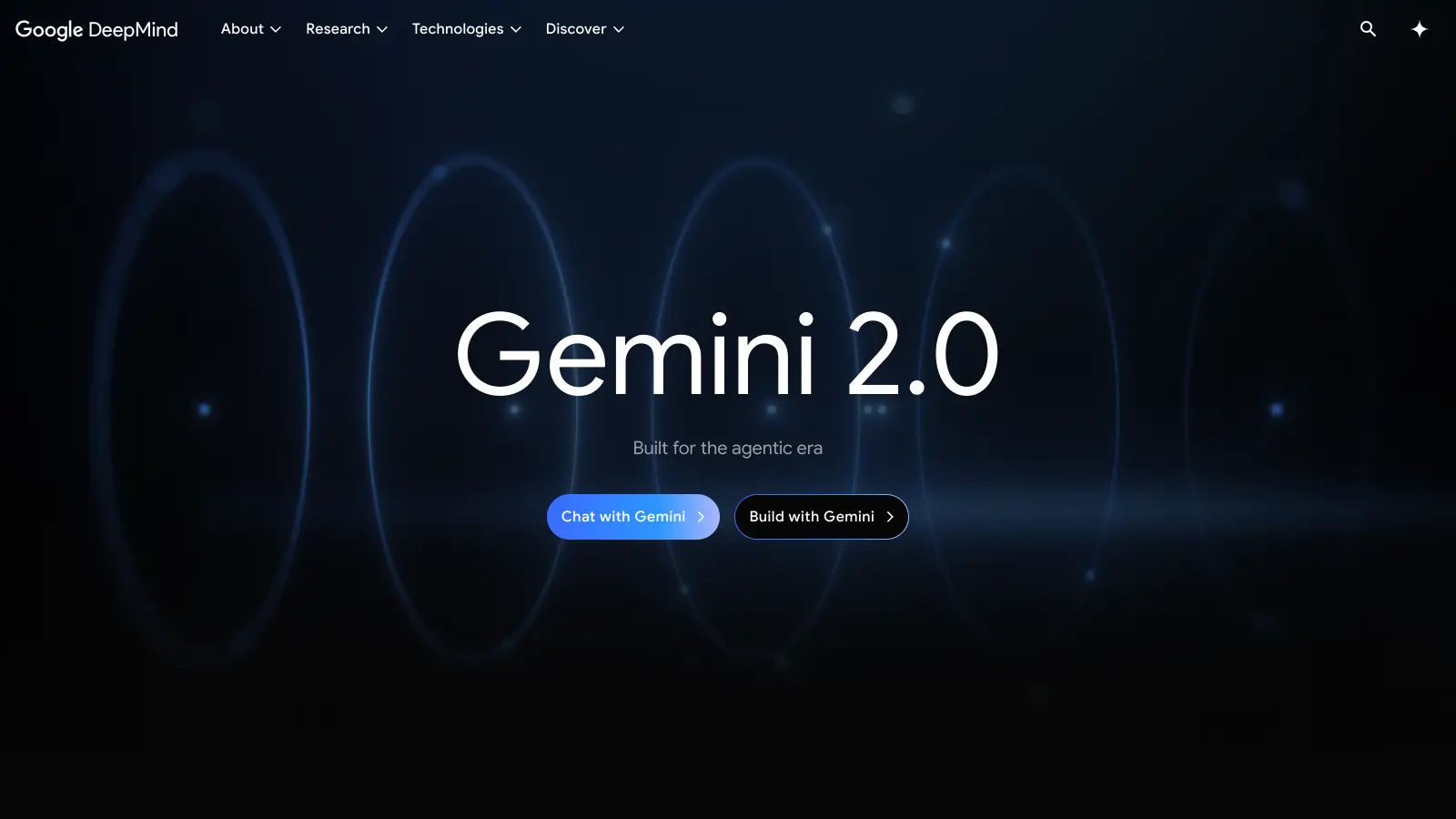
Gemini is an advanced AI assistant by Google that processes text, code, images, audio, and video across Google's ecosystem. It offers content creation, coding assistance, research capabilities, and workflow automation through the Gemini app, web interface, and integrations with Google Workspace, Pixel phones, and Chrome.

best deal

Google AI Plus: Get 50% off at $3.99/month for the first 2 months (new subscribers); Google AI Pro: Try free for one month.

Copilot AI screenshot
online buzz4.1M
trend (1M)steady
3.0based on real user feedback, community sentiment, pricing value, and fit for target audience. see our full methodology

Copilot AI

Microsoft 365 Copilot is an AI-powered productivity tool that integrates seamlessly with Microsoft 365 apps like Word, Excel, PowerPoint, and Outlook. It uses advanced language models and Microsoft Graph to provide intelligent, context-aware suggestions, automate tasks, and enhance collaboration by generating content, analyzing data, and offering real-time insights across various work processes.

best deal

Try Copilot Free: Experience basic AI assistance without Office integration

Claude screenshot
online buzz3.4M
trend (1M)83%
4.2based on real user feedback, community sentiment, pricing value, and fit for target audience. see our full methodology

Claude

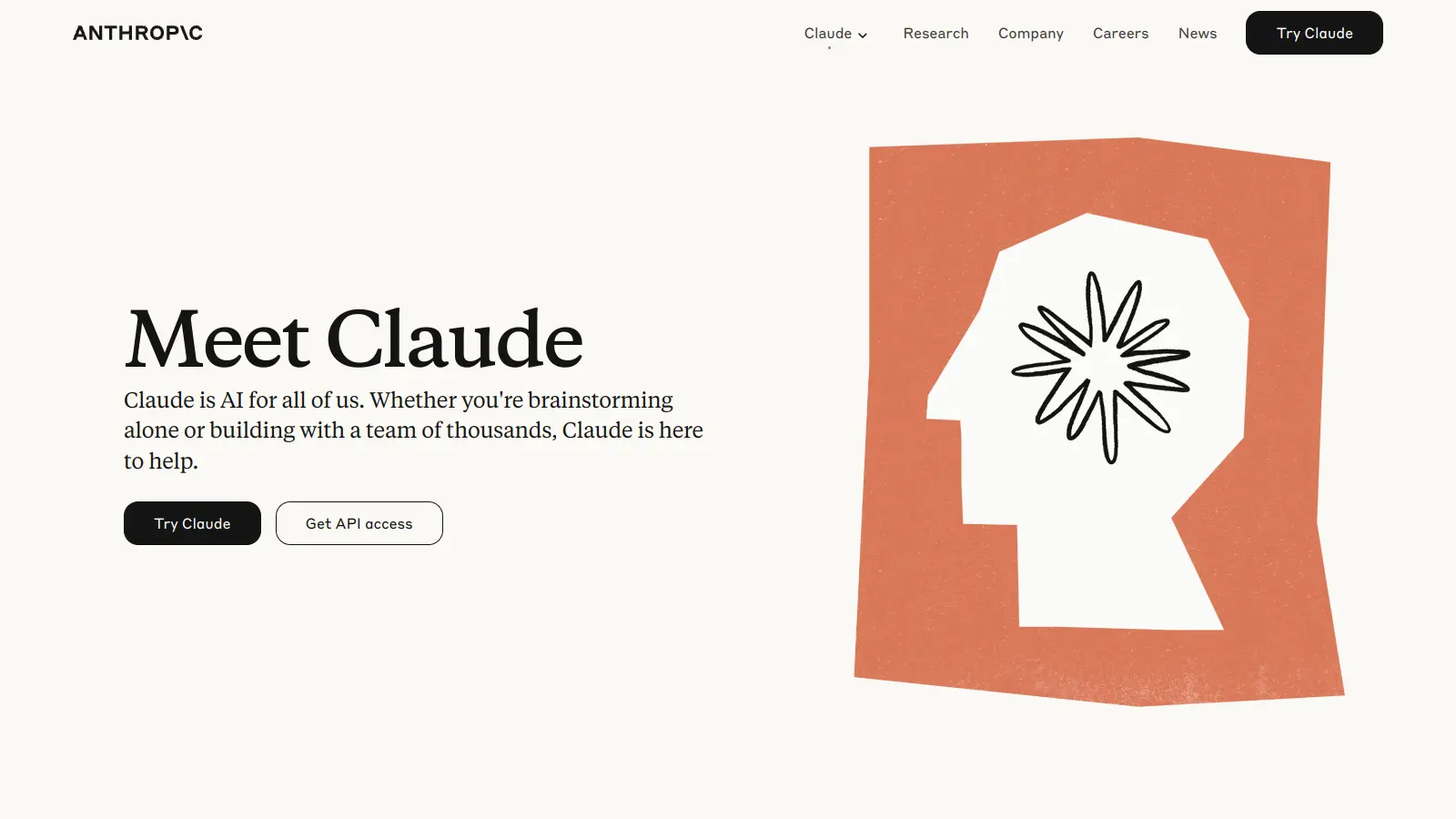
Claude is an AI assistant developed by Anthropic that handles coding, writing, and analysis tasks. It uses Constitutional AI for safety-focused interactions, supports multiple languages, and offers models like Sonnet and Opus with different capabilities. Claude prioritizes user privacy and context-aware responses.

best deal

Try Claude Free - 30-100 daily messages with code generation, image analysis, web search, and access to Claude's latest models

Perplexity screenshot
online buzz1.8M
trend (1M)22%
3.8based on real user feedback, community sentiment, pricing value, and fit for target audience. see our full methodology

Perplexity

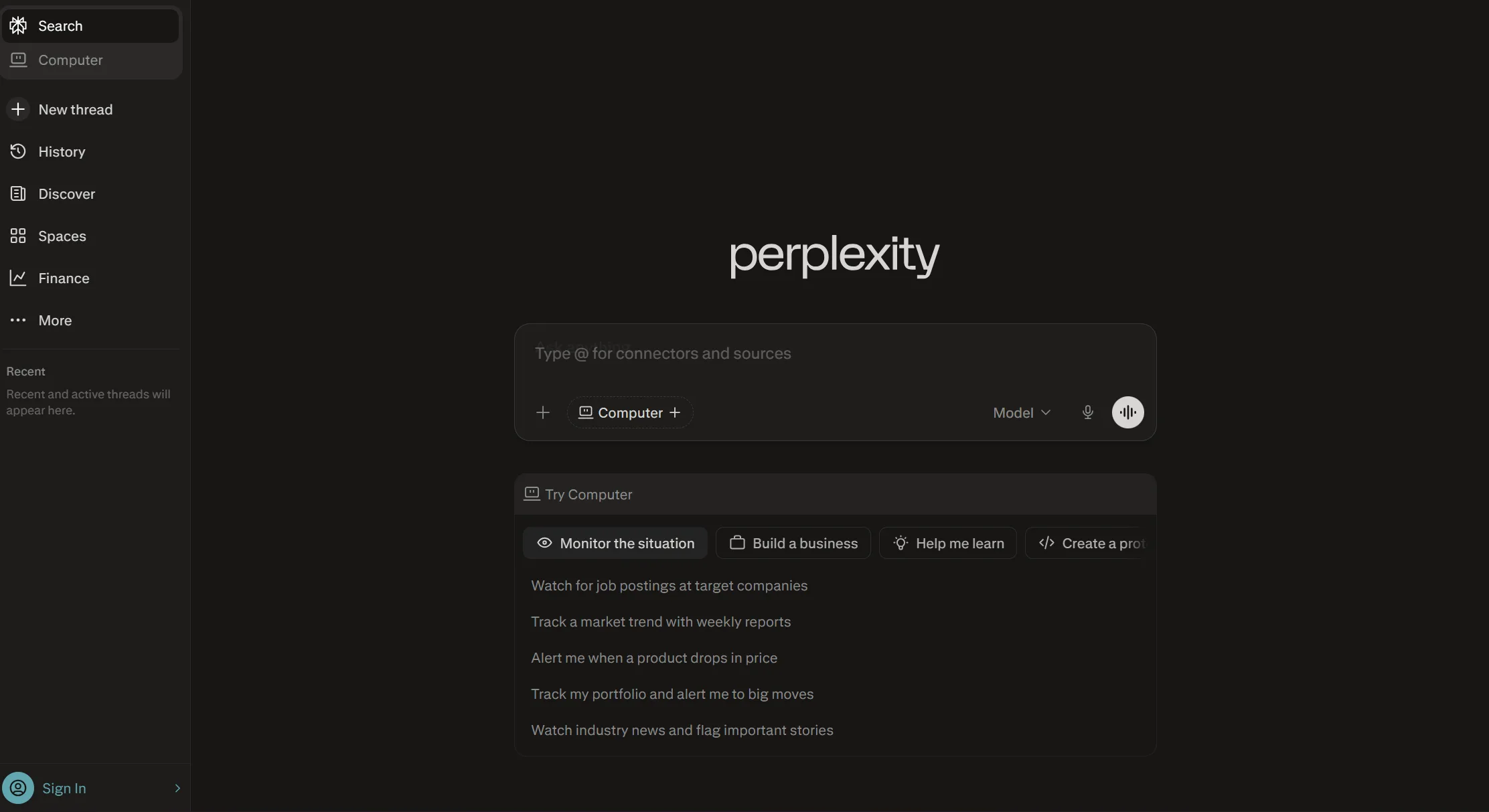
Perplexity AI is an AI-powered search engine that provides real-time, conversational responses to user queries. Founded in 2022, it uses natural language processing and large language models to deliver answers with source transparency. The platform offers multiple search modes, supports file and image uploads, and provides both free and paid plans for individual users and businesses.

best deal

Try Perplexity Free - Get unlimited basic searches with citations, 5 daily Pro Searches, and save your search history with access to basic AI models.

Photo AI screenshot
online buzz1M
trend (1M)steady
3.0based on real user feedback, community sentiment, pricing value, and fit for target audience. see our full methodology

Photo AI

PhotoAI.me is an AI-powered platform that transforms personal photos into unique, high-resolution images across 100+ styles for various social media platforms. Users can upload a photo, select a themed package, and receive AI-enhanced images within hours, making profile personalization simple and quick for those seeking professional or creative profile pictures without advanced editing skills.

best deal

Transform your profile photo with 100+ AI styles starting at $19/month