Best ChatGPT Alternatives in 2026: Free & Paid Options
7 alternatives reviewedlast reviewed 22 march 2026
Editorial note:this was originally published in march of 2026
This page is for anyone who's hit a wall with ChatGPT — whether that's the $20/month price tag, the sycophantic responses, the lack of real-time web access on the free tier, or just wanting a tool that's sharper at one specific job.
The alternatives below cover a range of use cases: better writing, real-time search, coding, privacy, and multi-model access. Each pick is assessed on pricing, what it actually does better than ChatGPT, and where it falls short.
Selection criteria: free tier quality, accuracy on real tasks, ease of getting started without technical setup, and a clear reason to exist beyond just being another chatbot.
We collect first-hand reviews from people who use these tools every day — what works, what doesn't, whether it's worth paying for. We research pricing, features, and comparisons so that feedback has real context behind it. For this page, tools were selected based on their primary language model capabilities and commercial availability as of the review date. Read our full research methodology.
looking for a ChatGPT alternative?
tell us what you're considering and why — it helps others in the same position.
What is ChatGPT?
ChatGPT is a conversational AI tool built by OpenAI. It can answer questions, generate text, write and review code, analyze images, search the web, and handle voice conversations. The free tier runs on GPT-4o mini; paying $20/month gets you access to GPT-4o, o1, and other advanced models.
It's the most widely used AI chatbot in the world, with over 400 million weekly active users as of early 2026. Most people use it for writing assistance, research, coding help, and general Q&A.
Common reasons people look for alternatives include: the subscription cost, response quality that can be inconsistent or overly agreeable, no persistent memory on the free tier, and wanting a tool optimized for a specific task like live web search or long-document analysis rather than a general-purpose assistant.
One subscription that lets you switch between Claude, GPT-4o, and Gemini.
Power users who want to compare models or avoid vendor lock-in
FreemiumFree; Poe Premium from $19.99/mo
vs ChatGPTBetter than ChatGPT for processing entire books or lengthy codebases in a single conversation, thanks to its 200K token context window on the paid tier.
our top pick
1
Claude
Anthropic's writing-focused AI with a 200K token context window.
Freemium
Best for · Writers, analysts, and developers who work with long documentsPricing · Free; Claude Pro from $20/mo
Claude is built by Anthropic and runs on the Claude 3.5 Sonnet and Claude 3 Opus models. It handles long documents, nuanced writing tasks, and code well, and it's notably less prone to making things up than many competitors. The free tier is genuinely useful, and the paid plan at $20/month gives access to the more powerful Opus model.
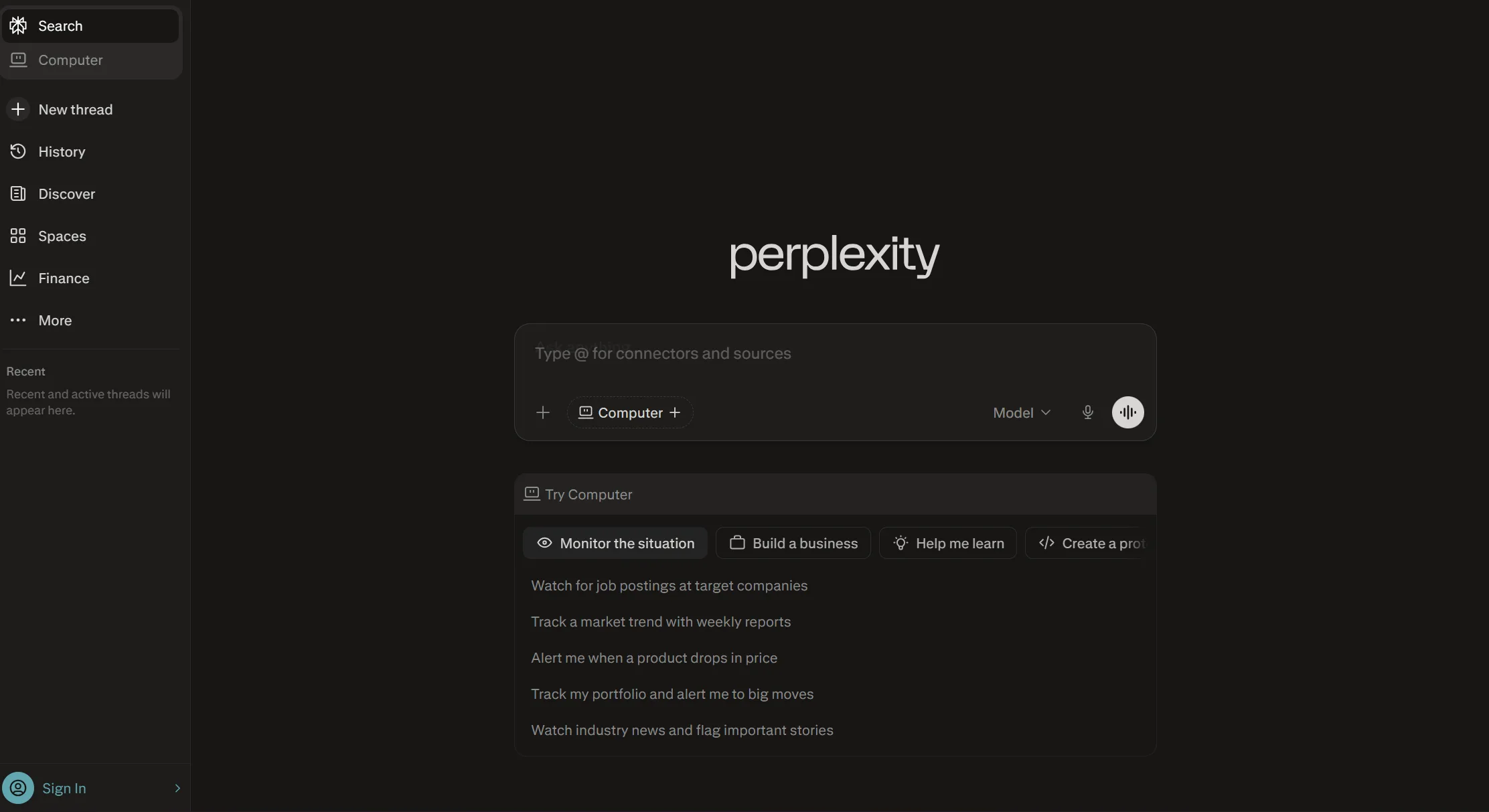
vs ChatGPTBetter than ChatGPT when you need current information with verifiable citations, since ChatGPT's free tier still has a knowledge cutoff and doesn't cite sources inline.
2
Perplexity
An AI search engine that cites its sources inline.
Freemium
Best for · Researchers, journalists, and anyone who fact-checks regularlyPricing · Free; Perplexity Pro from $20/mo
Perplexity is designed around web search rather than conversation. Every answer pulls live results and includes numbered citations you can click to verify. The free tier uses a mix of models including GPT-4o and Claude for Pro searches. It's the right tool when accuracy and source transparency matter more than creative output.
vs ChatGPTBetter than ChatGPT for users already in Google Workspace who want to query their own Drive files or draft emails inside Gmail without copying and pasting.
3
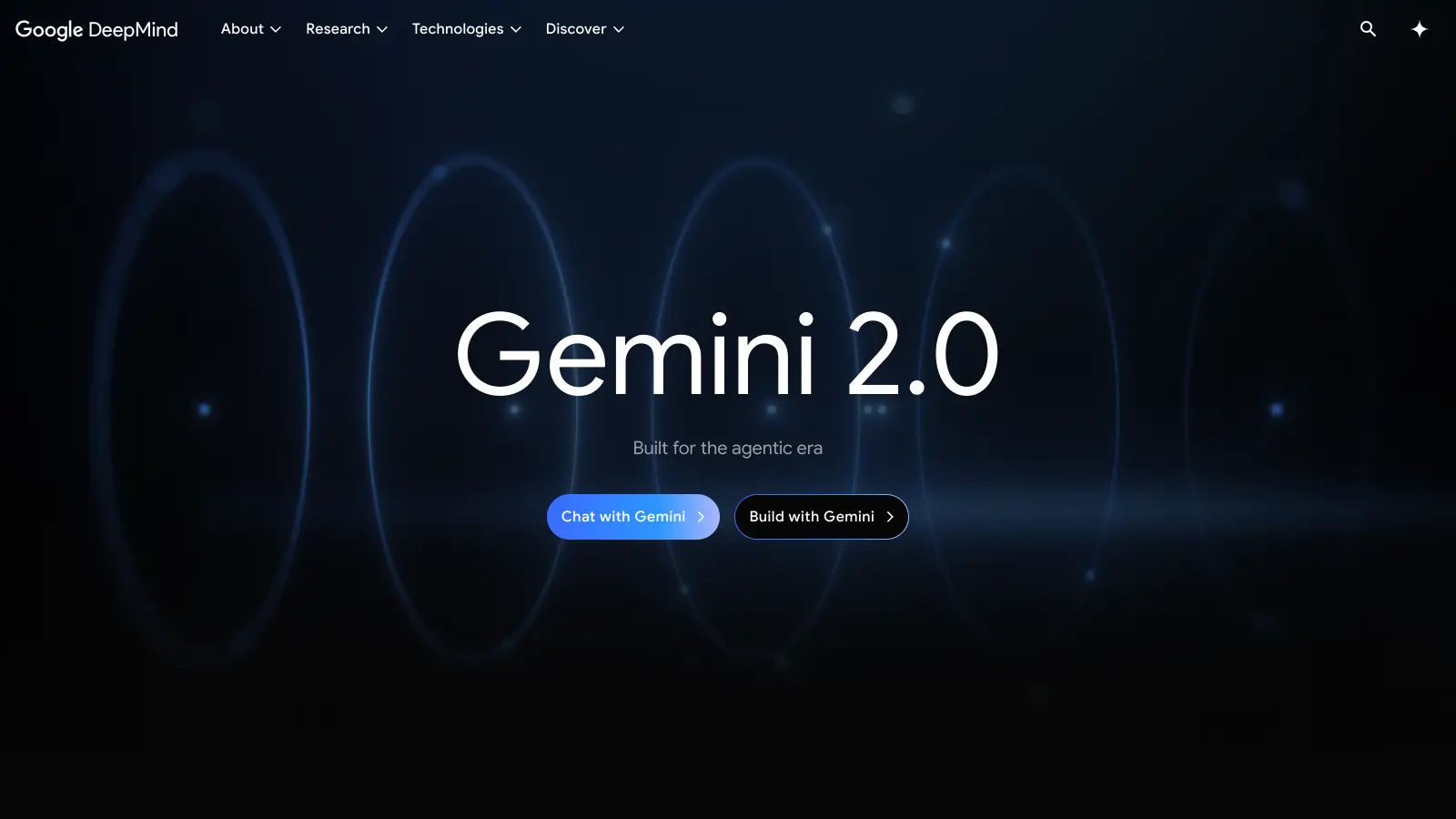
Google Gemini
Google's AI assistant with direct access to your Google Workspace.
Freemium
Best for · Google Workspace users who want AI inside their existing toolsPricing · Free; Google One AI Premium from $19.99/mo
Gemini is Google's AI chatbot, and its main advantage is tight integration with Gmail, Google Docs, Drive, and Calendar. The free tier uses Gemini 1.5 Flash; paying $19.99/month via Google One AI Premium unlocks Gemini 1.5 Pro with a 1 million token context window. It can read your emails, summarize documents in Drive, and draft responses directly inside Google products.
Pros
✓Native integration with Gmail, Docs, and Drive
✓1M token context window on paid tier
✓Strong multimodal capabilities including video
Cons
✗Quality lags behind Claude and GPT-4o on pure writing tasks
vs ChatGPTBetter than ChatGPT for users who want GPT-4o quality responses without paying $20/month, since Copilot's free tier runs on the same underlying model.
4
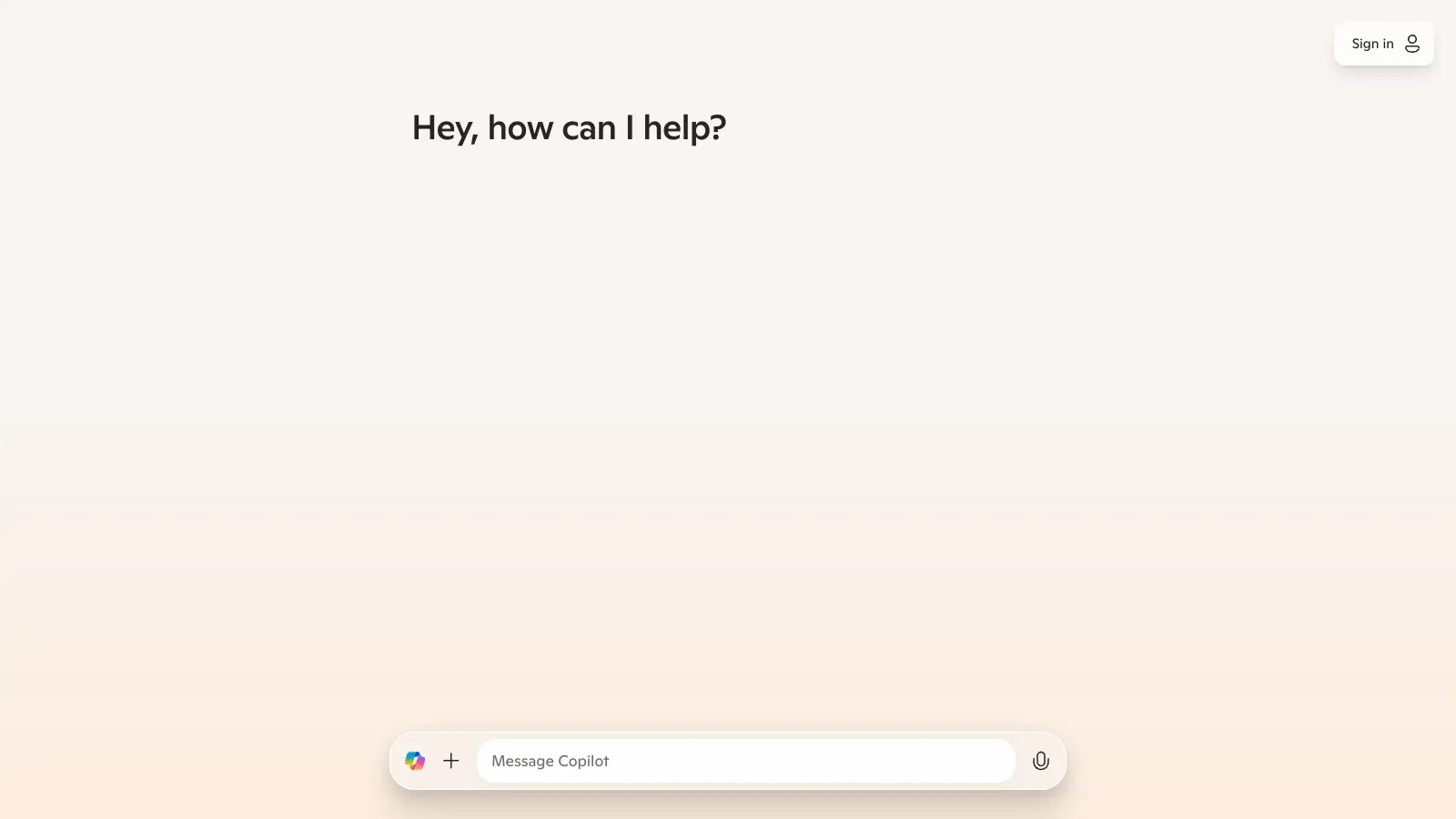
Microsoft Copilot
GPT-4o built into Windows, Edge, and Microsoft 365.
Freemium
Best for · Microsoft 365 users and anyone who wants free GPT-4o accessPricing · Free; Microsoft 365 Copilot from $30/user/mo
Copilot is Microsoft's AI layer built on OpenAI's models. The free version at copilot.microsoft.com runs GPT-4o with no subscription. If your company uses Microsoft 365, Copilot is embedded in Word, Excel, Outlook, and Teams, though the full Microsoft 365 Copilot license costs $30/user/month. For individual use, the free web version gives you GPT-4o access without paying for ChatGPT Plus.
Pros
✓Free tier uses GPT-4o, not a downgraded model
✓Built into Word, Excel, and Outlook on paid tier
✓Generates images via DALL-E 3 on free tier
Cons
✗Microsoft 365 Copilot license is expensive for individuals
vs ChatGPTBetter than ChatGPT for real-time monitoring of X posts and public discourse, since no other mainstream chatbot has direct API access to X data.
5
Grok
xAI's chatbot with real-time access to posts on X.
Freemium
Best for · Social media researchers, journalists, and X power usersPricing · Free tier available; X Premium from $8/mo
Grok is built by xAI, Elon Musk's AI company, and it has direct access to X (formerly Twitter) posts in real time. That makes it uniquely useful for tracking trending topics, analyzing public sentiment, or researching what people are saying about a news event right now. The free tier is available on X; Grok's full features require a Premium X subscription or a separate Grok subscription.
Pros
✓Real-time access to X post data
✓Less content filtering than most competitors
✓Grok 2 handles image analysis and generation
Cons
✗Quality outside of X-related tasks trails Claude and GPT-4o
vs ChatGPTBetter than ChatGPT when you're discussing sensitive topics and don't want your conversations used for model training or tied to an account.
6
DuckDuckGo AI Chat
Private AI chat that doesn't log your conversations.
Free
Best for · Privacy-conscious users who don't want conversations stored or soldPricing · Free
DuckDuckGo AI Chat gives you access to Claude 3 Haiku, GPT-4o mini, Llama 3, and Mistral through a single interface, with no account required. DuckDuckGo strips metadata from requests sent to the underlying models, doesn't sell your data, and deletes conversations from provider servers. The free tier covers most casual use with daily limits.
vs ChatGPTBetter than ChatGPT for anyone who wants to run the same prompt through Claude, GPT-4o, and Gemini side by side without paying for three separate subscriptions.
7
Poe
One subscription that lets you switch between Claude, GPT-4o, and Gemini.
Freemium
Best for · Power users who want to compare models or avoid vendor lock-inPricing · Free; Poe Premium from $19.99/mo
Poe is a platform built by Quora that gives you access to multiple AI models through a single interface and subscription. The free tier includes limited daily messages on Claude 3.5 Sonnet, GPT-4o, and others. The paid plan at $19.99/month gives you a monthly point budget to spend across whichever models you prefer, including the most powerful versions of each. It's useful if you want to compare models without managing multiple subscriptions.
Pros
✓Access to Claude, GPT-4o, Gemini, and others in one place
✓Build and share custom chatbots on any model
✓Useful for prompt testing across multiple models
Cons
✗Point-based pricing on paid tier can be confusing to track
✗You're adding a middleware layer, which can affect response speed
ChatGPT is general-purpose. If you mostly need web search with citations, a dedicated search tool like Perplexity will outperform it. If you write long documents or code, Claude's larger context window is the relevant differentiator.
Do you need a free tier that's genuinely useful?
Several alternatives offer free tiers with access to strong models. Claude, Gemini, and Perplexity all have free plans that handle real workloads without a credit card. The quality gap between free and paid is smaller on some of these than it is on ChatGPT.
How important is data privacy?
If you're typing sensitive information into any chatbot, check the privacy policy. Some tools, like DuckDuckGo's AI chat, are designed to not store or sell your conversations. ChatGPT's free tier uses conversations to train models by default unless you opt out.
Do you need it to integrate with tools you already use?
Microsoft Copilot is built into Microsoft 365. Google Gemini connects directly to Gmail, Drive, and Docs. If you live in either ecosystem, these integrations reduce friction in ways a standalone chatbot can't match.
Are you comfortable with one model, or do you want flexibility?
Poe and similar platforms let you switch between GPT-4o, Claude, Gemini, and others in one interface. If you're not sure which model suits a given task, a multi-model platform is worth trying before committing to a single subscription.
frequently asked questions
Yes. Claude, Google Gemini, and Perplexity all have free tiers that handle most everyday tasks without a paywall. Perplexity's free tier is particularly strong for research because it cites sources and pulls live web data.
The most common reasons are cost ($20/month for GPT-4o access), inconsistent response quality on the free tier, and a tendency toward overly agreeable answers. Some users also switch because they need a specific capability ChatGPT doesn't prioritize, like real-time search or a very large context window.
It depends on the tool. Most do store conversations by default to improve their models, but you can usually opt out in settings. DuckDuckGo's AI Chat is the clearest exception — it's designed to not store or link conversations to your identity.
Most alternatives require only an email signup and take under two minutes to get started. There's no data to migrate since ChatGPT doesn't export conversation history in a format other tools can import. The main adjustment is learning any differences in how the new tool handles prompts.
Start with the free tier and test it on your actual use case. For many tasks, the free tiers of Claude or Gemini are sufficient. If you hit rate limits or need features like longer context or priority access, the paid tiers on most competitors ($10-$20/month) are competitive with ChatGPT Plus.
tools for humans
toolsforhumans editorial team
Reader ratings and community feedback shape every score. Since 2022, ToolsForHumans has helped 600,000+ people find software that holds up after launch. The picks here come from that.