Gizmo review — ai flashcards with spaced repetition

last reviewed 24 march 2026
how we review

We start with direct ratings from our readers, then look at what real users are saying in practitioner forums and community spaces. We pair that with search demand data and profession-level persona analysis.

full methodology →

Editorial note: this was originally published in april of 2025

quick take

  • Best for: medical students and language learners with heavy daily memorization needs
  • Skip if: you only need occasional flashcards or can't justify $13.99/week
  • £Best value: yearly plan at ~$2.99/week for consistent semester-long use
½3.5/ 5 — editorial rating

based on real user feedback, community sentiment, pricing value, and fit for target audience. see our full methodology

used Gizmo? we'd love to know your thoughts

reader ratings shape our score

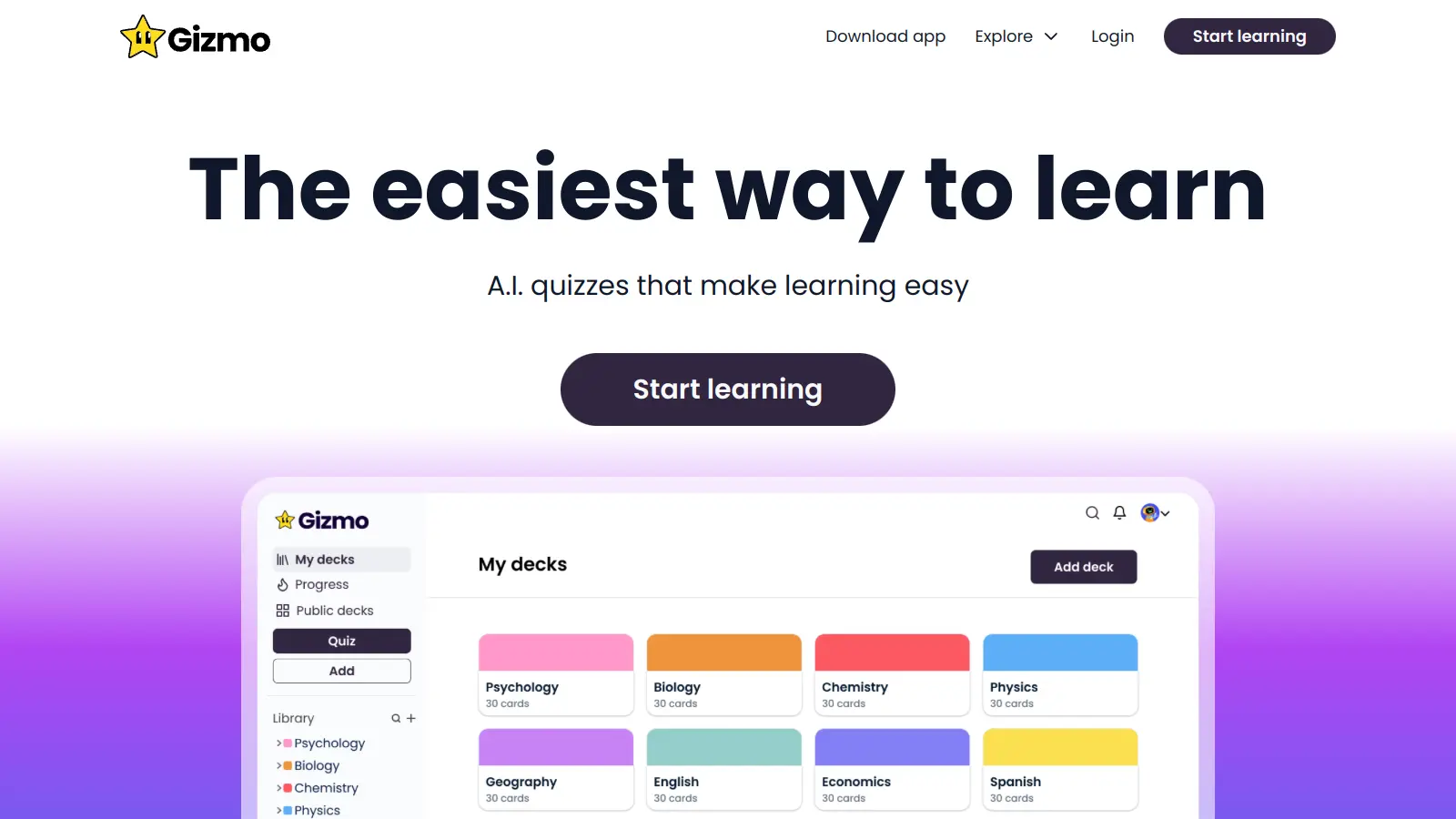
Gizmo helps students learn through AI-powered study tools. The platform transforms learning materials like PDFs, YouTube videos, notes, and audio recordings into flashcards and quizzes.

The tool automates the creation of study materials. Users can import their content through Magic Import or record lectures directly in the app. It includes spaced repetition to help with long-term memory retention.

The platform is available as a web app and on iOS. You can import decks from Quizlet and Anki, and browse pre-made public decks created by other users. The AI tutor provides step-by-step explanations when you need help understanding concepts.

The free version gives you 15 daily lives and up to 10 AI-generated quizzes per day. Premium subscriptions unlock unlimited access to all study tools, with student discounts that cut the price in half.

how popular is Gizmo?

monthly search interest

550k/mo now

0297k594k900k2023202420252026
peak interest823k/moOct 2025
searches now550k/moFeb 2026
1-month change— steadyvs prev month

Gizmo's search volume was remarkably stable for over two years, hovering in the 90k to 200k range with a clear seasonal pattern tied to academic calendars. The dramatic spike in September and October 2025 to over 800,000 monthly searches looks like a viral moment rather than organic growth. That spike has since pulled back to 550k, which is still well above the historical baseline. The hype phase has passed, so you're getting the real product now rather than riding a viral wave.

who is Gizmo for?

Whether Gizmo's worth it depends heavily on how much you're studying and what you're studying. Pick your role below to see the honest breakdown for your situation.

overall sentiment

select your role to see what people like you are saying

Medical Student

positive

If you're grinding through pharmacology or pathology, Gizmo's automatic card generation from lecture notes and recordings saves real hours every week. The spaced repetition works. The main caveats: AI-generated cards sometimes miss clinical context, so you'll need to edit a portion of them, and the free tier's lockout system is a genuine annoyance during intensive prep. The yearly plan at around $2.99 a week is defensible if you're using it across a full semester.

strengths

  • Converts lecture notes into flashcards automatically, saving hours on manual card creation
  • Spaced repetition system proven effective for long-term retention of medical terminology
  • AI tutor explains complex medical concepts in accessible language
  • Handles heavy memorization workloads that medical education demands

concerns

  • Free tier's 10-minute lockout after losing lives disrupts study sessions during intensive exam prep
  • $13.99/week pricing becomes expensive over a full semester of studying
  • AI-generated flashcards sometimes lack clinical context needed for medical application

what users are saying

The life-based throttling on the free plan doesn't just limit features, it actively interrupts the experience at the worst moment.

Community discussion on Gizmo as a study tool is thin in the available sources. The one relevant Reddit thread, from r/studentsph, shows a student confused about whether cancelling the yearly plan after one week would still charge the full amount, which points to a recurring concern: the pricing structure is genuinely confusing, and users are wary of being locked into costs they didn't intend. The homepage pulls in testimonial-style social comments claiming score improvements and grade boosts, but these are curated marketing placements rather than independent community voice. What does emerge from the persona data and pricing model is a consistent friction point: the free tier's life-based system, where wrong answers cost a life and running out triggers a 10-minute lockout, actively disrupts the kind of intensive, repeated study sessions the app is supposedly built for. For exam crammers, that's a meaningful problem. The weekly plan at $13.99 (or $6.99 with student discount) is the accessible entry point, but it's expensive relative to Anki, which is free, and Quizlet, which has a generous free tier.

Our take: Gizmo is a genuinely capable study tool if you're willing to pay for it, but the free tier is designed to push you toward a subscription rather than to actually serve your learning. The life-based throttling on the free plan is the most frustrating version of a paywall: it doesn't just limit features, it actively interrupts the experience at the worst moment. If you're a medical student or language learner with real memorization demands and you're using it consistently, the yearly plan at around $2.99 a week makes sense. But if you're a casual student who needs flashcards occasionally, Anki is free, battle-tested, and has a massive user community. Don't subscribe weekly unless you have a specific exam coming up and you know you'll use it every day that week.
features

  • AI-Generated Flashcards and Quizzes: Automatically creates flashcards and quizzes from PDFs, YouTube videos, notes, audio recordings, and imports from Quizlet or Anki.
  • Spaced Repetition and Active Recall: Uses scientifically optimized intervals to reinforce key concepts and improve long-term memory retention through active recall techniques.
  • AI Tutor with Step-by-Step Explanations: Provides help when you're stuck, including an "Explain like I'm 5" mode that breaks down complex concepts into simple language.
  • Record and Transcribe Lectures: Lets you record lectures directly in the app and converts them into transcribed notes and study materials.
  • Progress Tracking and Gamification: Tracks your learning with streaks, XP points, analytics, and leaderboards to keep you motivated.
  • Pre-Made Public Decks: Access flashcard decks created by other users on common topics, or share your own decks with the community.
  • Magic Import: Quickly imports study materials from multiple sources in one step, saving time on setup.

pricing

  • Free Plan gives you 15 lives per day (each wrong answer costs one life, 10-minute wait to replenish), up to 10 AI-generated quizzes daily, and limited flashcards and AI tutoring.
  • Unlimited Weekly costs $13.99 per week ($6.99 with student discount) and includes unlimited lives, quizzes, AI tutor access, flashcards, hearts, and imports.
  • Unlimited Yearly costs $155.22 per year, which works out to $2.98 per week ($77.22 per year or $1.48 per week with student discount). Includes unlimited access to all features.
  • Pro Plan costs $12 per month for frequent users and solo creators.
  • Team Plan costs $39 per user per month for small to medium teams.
  • Enterprise Plan has custom pricing for large organizations.

frequently asked questions

It depends which plan you're on. The free tier is frustrating by design: the 10-minute lockout when you run out of lives is a real disruption during intensive study. The yearly plan at roughly $2.99 a week is fair value if you're using it daily for several months, say across a full semester or a language course. The weekly plan at $13.99 ($6.99 with student discount) is only worth it for a short, specific burst of studying before an exam. Don't buy it weekly as a habit, the cost adds up fast.

Medical students and language learners get the most out of it. Both groups have heavy, ongoing memorization needs where spaced repetition genuinely pays off over weeks and months. High school and college students with one-off exam prep can use it effectively, but they'll hit the free tier limits quickly and need to weigh the cost against free alternatives.

Two stand out. First, the free tier's life system actively throttles your study session at the worst times, turning a wrong answer into an enforced break rather than a learning moment. Second, AI-generated flashcards sometimes lack clinical or contextual depth, meaning medical students in particular often have to manually edit cards before they're actually useful for applied reasoning, not just rote recall.

Anki if you want full control, no subscription cost, and a massive library of pre-made decks, especially for medicine. Gizmo if you want to skip manual card creation entirely and have your notes, PDFs, or lecture recordings turned into study material automatically. Anki has a steeper setup curve; Gizmo is faster to get started with. For budget-conscious students, Anki wins outright. For students who want to save time on content creation and are willing to pay, Gizmo has a genuine edge.

Yes, and this is one of the more genuinely useful features. You can record lectures directly in the app or import audio, and Gizmo will transcribe and generate flashcards from the material. For medical students sitting through dense three-hour lectures, this is the feature that most justifies the subscription cost. The cards still need a review pass for accuracy, but it's faster than building a deck from scratch.

tools for
humans

toolsforhumans editorial team

Reader ratings and community feedback shape every score. Since 2022, ToolsForHumans has helped 600,000+ people find software that holds up after launch. how we research →

is this your tool?

claim your listing to update details, respond to our review, or upgrade to a featured partnership.

claim this listing →

other tools to check out

ChatGPT screenshot
online buzz124M
trend (1M)steady
4.0based on real user feedback, community sentiment, pricing value, and fit for target audience. see our full methodology

ChatGPT

ChatGPT is an AI chatbot by OpenAI that uses language models to hold conversations, generate content, and complete tasks. It includes web browsing, image generation and analysis, voice interaction, autonomous task automation, and custom GPT creation. Available in multiple pricing tiers from free to enterprise, ChatGPT handles creative writing, data analysis, coding, and real-world automation.

best deal

Try ChatGPT Free: Basic AI conversations with GPT-5.2 Instant access (around 10 messages every 5 hours) at no cost.

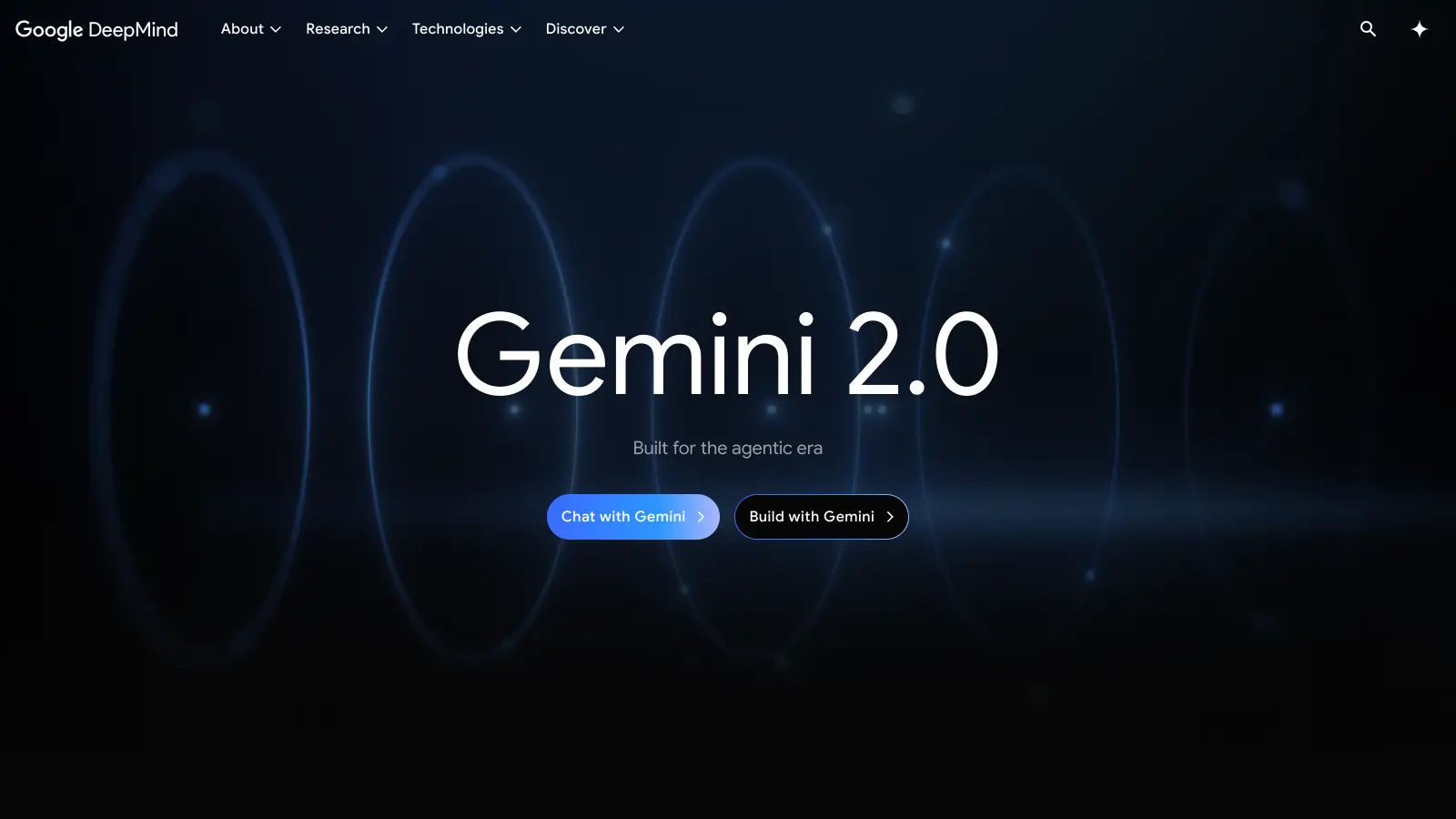
Gemini screenshot
online buzz20.4M
trend (1M)23%
3.5based on real user feedback, community sentiment, pricing value, and fit for target audience. see our full methodology

Gemini

Gemini is an advanced AI assistant by Google that processes text, code, images, audio, and video across Google's ecosystem. It offers content creation, coding assistance, research capabilities, and workflow automation through the Gemini app, web interface, and integrations with Google Workspace, Pixel phones, and Chrome.

best deal

Google AI Plus: Get 50% off at $3.99/month for the first 2 months (new subscribers); Google AI Pro: Try free for one month.

Copilot AI screenshot
online buzz4.1M
trend (1M)steady
3.0based on real user feedback, community sentiment, pricing value, and fit for target audience. see our full methodology

Copilot AI

Microsoft 365 Copilot is an AI-powered productivity tool that integrates seamlessly with Microsoft 365 apps like Word, Excel, PowerPoint, and Outlook. It uses advanced language models and Microsoft Graph to provide intelligent, context-aware suggestions, automate tasks, and enhance collaboration by generating content, analyzing data, and offering real-time insights across various work processes.

best deal

Try Copilot Free: Experience basic AI assistance without Office integration

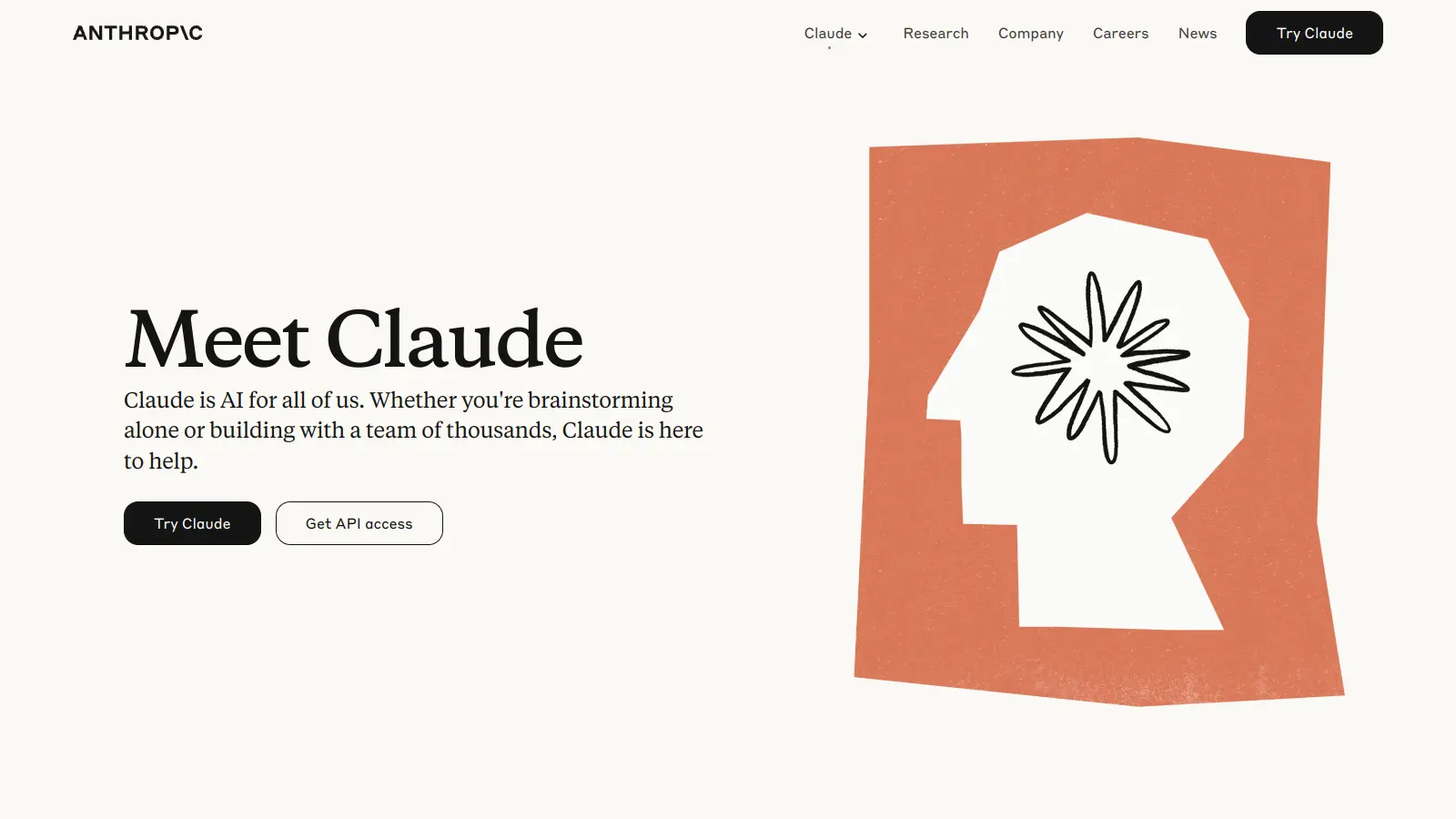
Claude screenshot
online buzz3.4M
trend (1M)83%
4.2based on real user feedback, community sentiment, pricing value, and fit for target audience. see our full methodology

Claude

Claude is an AI assistant developed by Anthropic that handles coding, writing, and analysis tasks. It uses Constitutional AI for safety-focused interactions, supports multiple languages, and offers models like Sonnet and Opus with different capabilities. Claude prioritizes user privacy and context-aware responses.

best deal

Try Claude Free - 30-100 daily messages with code generation, image analysis, web search, and access to Claude's latest models

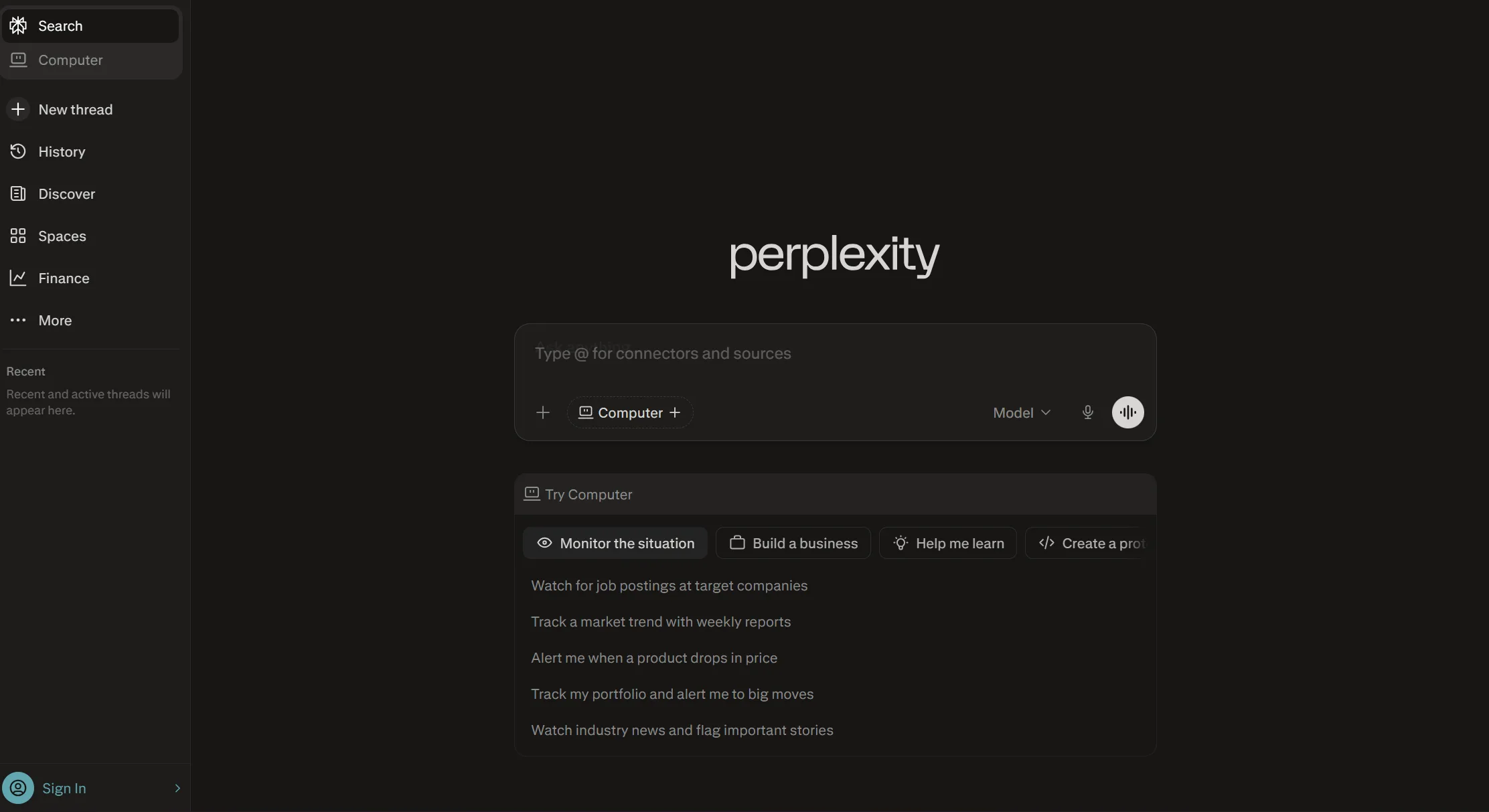
Perplexity screenshot
online buzz1.8M
trend (1M)22%
3.8based on real user feedback, community sentiment, pricing value, and fit for target audience. see our full methodology

Perplexity

Perplexity AI is an AI-powered search engine that provides real-time, conversational responses to user queries. Founded in 2022, it uses natural language processing and large language models to deliver answers with source transparency. The platform offers multiple search modes, supports file and image uploads, and provides both free and paid plans for individual users and businesses.

best deal

Try Perplexity Free - Get unlimited basic searches with citations, 5 daily Pro Searches, and save your search history with access to basic AI models.

Photo AI screenshot
online buzz1M
trend (1M)steady
3.0based on real user feedback, community sentiment, pricing value, and fit for target audience. see our full methodology

Photo AI

PhotoAI.me is an AI-powered platform that transforms personal photos into unique, high-resolution images across 100+ styles for various social media platforms. Users can upload a photo, select a themed package, and receive AI-enhanced images within hours, making profile personalization simple and quick for those seeking professional or creative profile pictures without advanced editing skills.

best deal

Transform your profile photo with 100+ AI styles starting at $19/month