Supply Chain Management Software+2 more
Sumtracker
best deal
Try Sumtracker with a free trial and manage inventory across multiple sales channels starting at $49/month
redeem nowSumtracker
best deal
Try Sumtracker with a free trial and manage inventory across multiple sales channels starting at $49/month
redeem nowWe start with direct ratings from our readers, then look at what real users are saying in practitioner forums and community spaces. We pair that with search demand data and profession-level persona analysis.
Editorial note: this was originally published in august of 2024
quick take
based on real user feedback, community sentiment, pricing value, and fit for target audience. see our full methodology
used Sumtracker? we'd love to know your thoughts
reader ratings shape our score
Sumtracker helps businesses manage their inventory and orders across multiple sales channels. This cloud-based software works well for e-commerce merchants, retailers, wholesalers, and brands who need to track their stock levels and sales in real-time.
At its core, the platform syncs inventory across e-commerce platforms like Shopify, Amazon, Etsy, eBay, and Walmart. When you sell a product on one platform, stock levels update automatically across all your connected stores. This matters most for businesses that sell through multiple channels.
The software includes tools for creating purchase orders, managing suppliers, and tracking product bundles. You can set up low stock alerts, generate detailed reports, and handle multi-currency transactions. For businesses with several locations, Sumtracker can manage inventory across different warehouses while maintaining accurate stock counts. The platform also offers AI-powered demand forecasting and replenishment suggestions to help you stay ahead of stock needs.
Plans start at $49 per month, with pricing based on your monthly order volume. There's no free version, but new users can try the software through a free trial to test its features.
The platform's API access allows for custom integrations, making it adaptable to different business setups. Whether you're handling a few hundred orders or managing thousands of SKUs, the system aims to simplify inventory management across your entire operation.
monthly search interest
320/mo now
Sumtracker's search volume was flat and low through most of 2022, then roughly doubled at the start of 2023 and has held steady since, with a clear acceleration in late 2025 bringing it to its current peak. This is a tool with a small but growing audience: it's not riding a hype cycle, it's accumulating customers gradually, which suggests word-of-mouth in e-commerce communities is doing the work. Still in growth phase, but the user base is modest enough that you're an early adopter, not picking up a battle-tested platform.
Whether Sumtracker makes sense for you depends almost entirely on how you sell and how many channels you're juggling. Pick your role below to see the honest breakdown.
overall sentiment
select your role to see what people like you are saying
Multi-Channel E-commerce Merchant
positiveIf you're selling across Shopify, Amazon, Etsy, and eBay and spending hours reconciling stock levels manually, Sumtracker's real-time sync is directly aimed at your problem. The $49/month entry tier covers up to 200 orders and includes multi-channel sync, which is reasonable if overselling is already costing you. The main risk is limited public track record: you'll want to use the 14-day trial to confirm the integrations hold up across your specific platform mix before committing.
strengths
concerns
Bundle/Kit-Based Brand Owner
mixedThe component-level tracking is genuinely designed for businesses selling kits and bundles, and it's one of the features that sets Sumtracker apart from basic inventory tools. That said, there are no detailed public case studies showing how it holds up with large, complex bundle structures at scale. Test your actual catalogue during the free trial before assuming it handles your specific SKU complexity cleanly.
strengths
concerns
Small to Mid-sized Wholesaler
mixedSumtracker gives you purchase order tracking, supplier management, and stock visibility in one place, which is useful if you're currently stitching that together across spreadsheets and emails. The concern is that the tool is primarily positioned for e-commerce brands, not wholesale operations, so the community track record in your specific context is thin. It's worth trialling, but don't assume wholesale-grade reliability without testing your order volumes and supplier workflow thoroughly.
strengths
concerns
Manufacturer with Multiple Locations
positiveThis persona is attracted to Sumtracker's multi-location inventory visibility and component tracking for production. The AI-powered forecasting appeals to their optimization needs, though the lack of manufacturing-specific testimonials creates some hesitation about industry fit.
strengths
concerns
“The absence of vocal criticism in public forums is notable but also reflects the tool's relatively modest search footprint: this isn't a viral product with a large enough user base to generate the kind of Reddit drama that exposes real bugs or support failures.”
Community discussion around Sumtracker is thin but not negative. The most relevant Reddit thread in r/ecommerce shows merchants with 500+ SKUs and 100+ suppliers actively hunting for Shopify inventory management solutions, with the conversation centring on whether native Shopify reports and spreadsheets can handle multi-supplier complexity. Sumtracker comes up in that context as a contender, though the thread doesn't produce a flood of first-hand verdict posts. Across commercial review platforms, the signal is more concrete: Sumtracker holds strong ratings and the homepage cites 2,000+ customers, a 5-star Shopify rating, and claims of 99% reduction in overselling and 60% reduction in stockouts. The absence of vocal criticism in public forums is notable but also reflects the tool's relatively modest search footprint: this isn't a viral product with a large enough user base to generate the kind of Reddit drama that exposes real bugs or support failures.
At $49/month for up to 200 orders, it's reasonable if multi-channel overselling is actively costing you money or time. The $99/month Pro plan makes sense once you're hitting close to 1,000 monthly orders and need API access. If you're processing fewer than 100 orders a month across one or two channels, native Shopify inventory tools are probably enough and you shouldn't be paying for this. The 14-day free trial is the right starting point before committing to any tier.
Multi-Channel E-commerce Merchants selling across Shopify, Amazon, Etsy, eBay, and Walmart simultaneously get the clearest value: the real-time sync cuts out the manual reconciliation work. Bundle and Kit-Based Brand Owners benefit from the component-level tracking if they're managing products that share underlying components across SKUs. Small to Mid-sized Wholesalers with growing purchase order complexity are a reasonable fit, though the tool's track record in wholesale is less established than its e-commerce credentials.
The community footprint is small, which means limited independent validation of how it performs under stress, particularly for complex bundle structures or high-volume wholesale operations. There's no public pricing for the Enterprise plan, so if you're processing more than 10,000 orders a month, you're entering a negotiation without benchmarks. API access is locked behind the $99/month plan, so the entry-level tier has a hard ceiling on what you can build around it.
Linnworks is the more established option with a larger community, more integration depth, and a longer track record in wholesale and retail environments. It's also significantly more expensive and complex to implement. Choose Sumtracker if you're an e-commerce-first brand on Shopify and Amazon wanting fast setup and straightforward sync. Choose Linnworks if you're running a serious wholesale or omnichannel operation where you need enterprise-grade reliability and you have someone to manage the implementation properly.
The component-level tracking is built specifically for bundles, and the platform claims to automate deduction of individual components as kits sell. That said, there are no detailed public case studies showing how it performs with highly complex bundle hierarchies at scale. If your catalogue involves deeply nested kits or large SKU counts, use the free trial to stress-test your actual product structure before going live. Don't assume the feature works for your specific complexity without testing it.
toolsforhumans editorial team
Reader ratings and community feedback shape every score. Since 2022, ToolsForHumans has helped 600,000+ people find software that holds up after launch. how we research →
is this your tool?
claim your listing to update details, respond to our review, or upgrade to a featured partnership.
claim this listing →
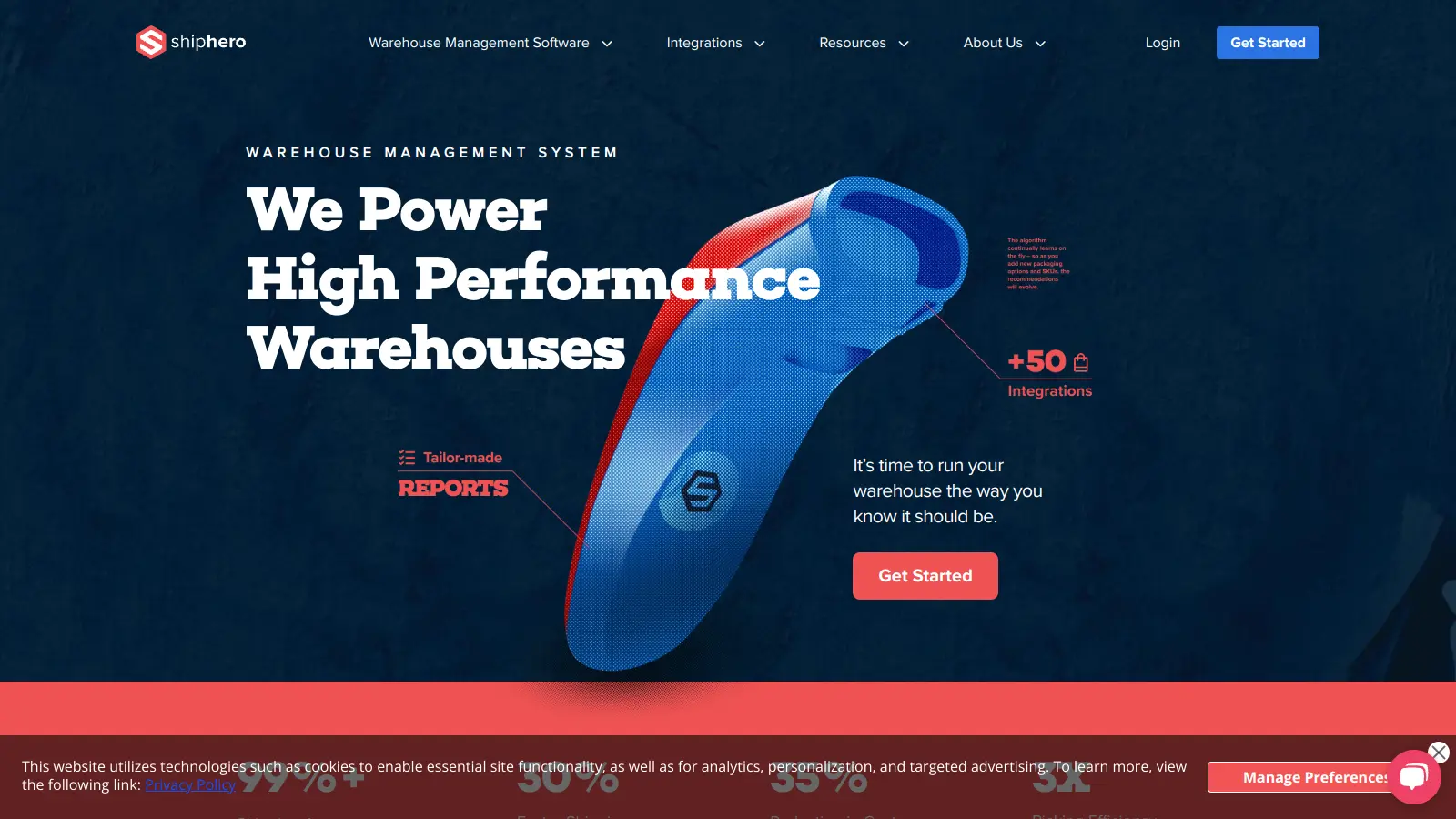
ShipHero is a warehouse management system (WMS) that uses AI to optimize picking processes and warehouse operations for direct-to-consumer brands and 3PL providers. It offers inventory management, order fulfillment, shipping optimization, and analytics tools with integrations to major eCommerce platforms and carriers.
best deal
Try ShipHero starting at $499/month with AI path optimization that reduces walking distance by 20-30%

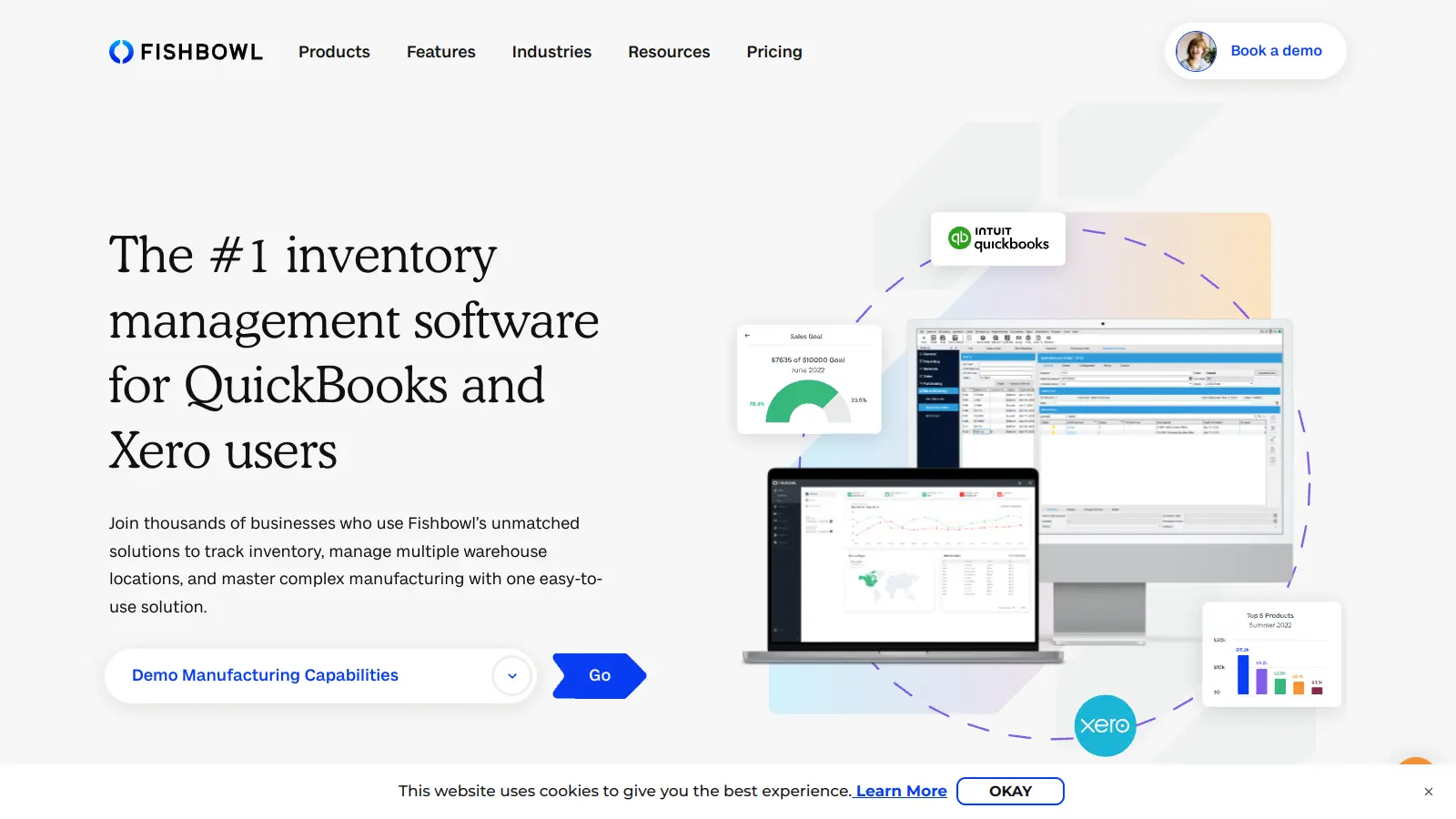
Fishbowl is cloud-based inventory management software that helps businesses track inventory across multiple locations, manage warehousing and manufacturing operations, and handle order fulfillment. It integrates with accounting systems like QuickBooks, Xero, and NetSuite, offering barcode scanning, work orders, automated reordering, and AI-driven forecasting for small and mid-sized businesses.
best deal
Try Fishbowl Today - Free Trial Available, Then $229/Month for Essentials Plan

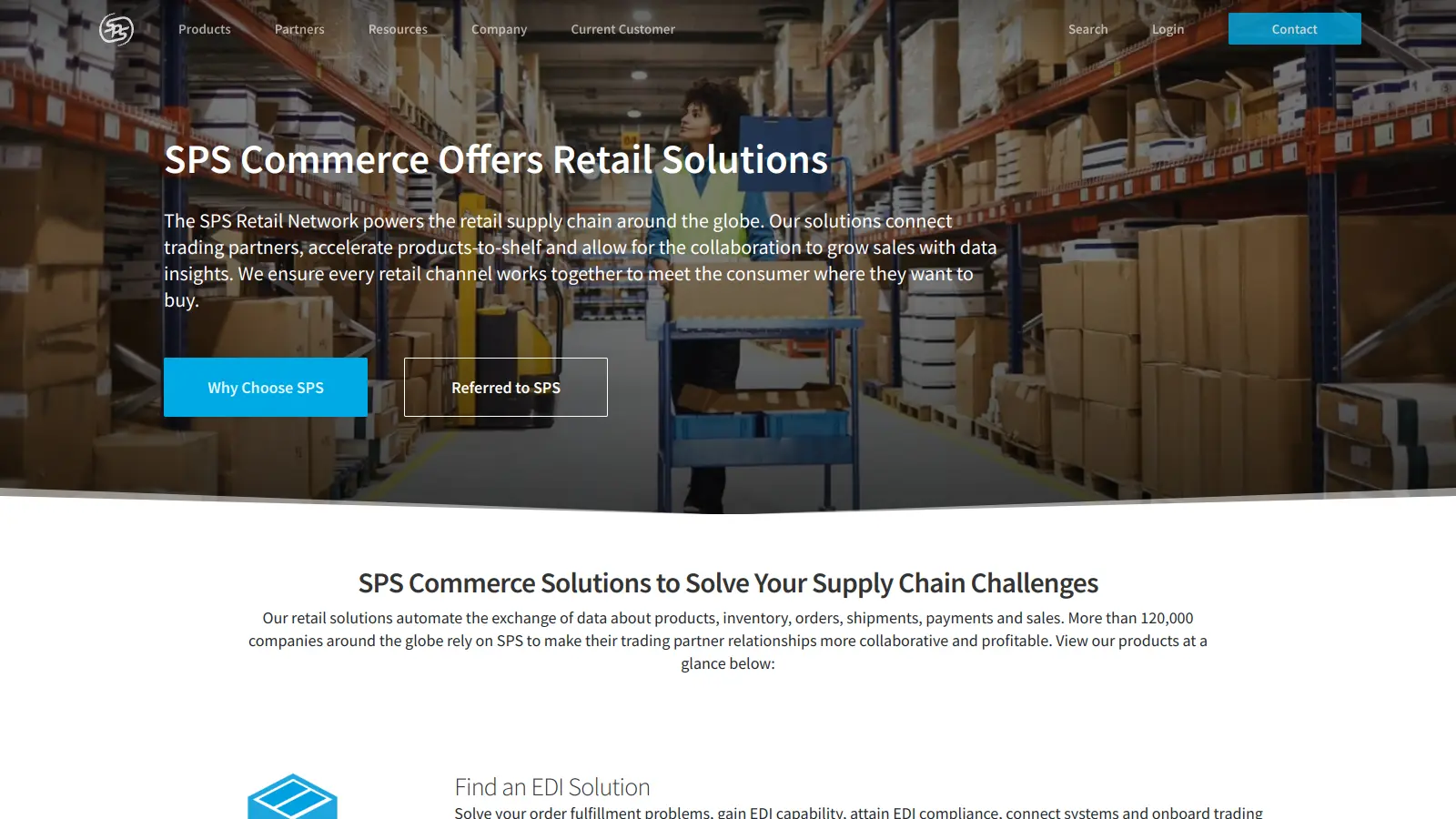
SPS Commerce is a cloud-based supply chain management platform that specializes in EDI solutions, automating data exchange for products, inventory, orders, shipments, payments, and sales between retailers, suppliers, and trading partners. The platform connects over 50,000 customers through a central hub with pre-built integrations to 400+ systems.
best deal
Start with SPS Commerce for just $20/month to automate your supply chain operations

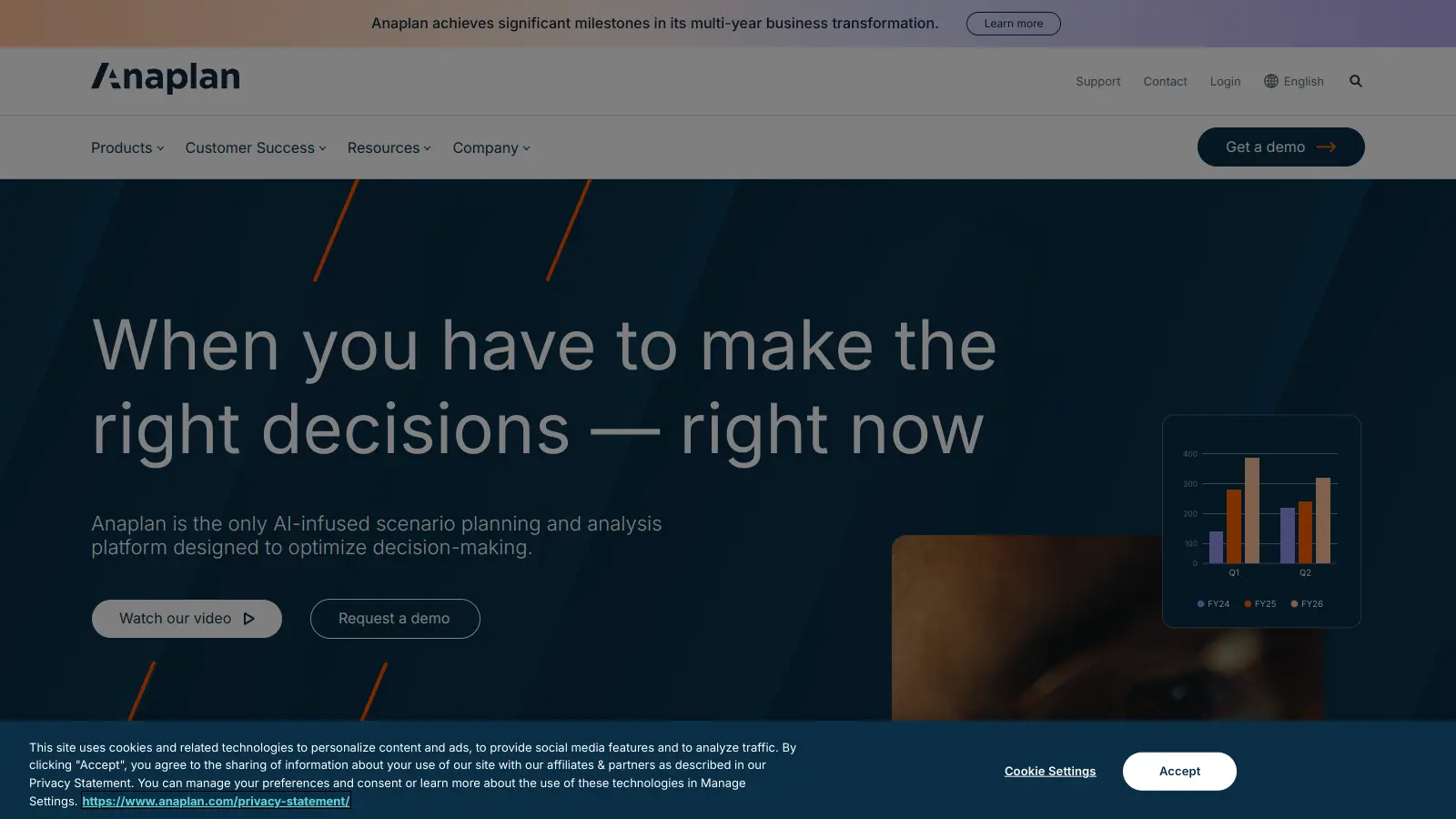
Anaplan is a cloud-native, AI-powered platform that connects enterprise data to deliver predictive, prescriptive, and generative insights for optimized decision-making across planning, budgeting, forecasting, and operational processes. It provides a unified environment with collaborative tools, embedded intelligence, enterprise scalability, and robust security.
best deal
Get your custom Anaplan pricing quote for business planning - starts from $87,494/year

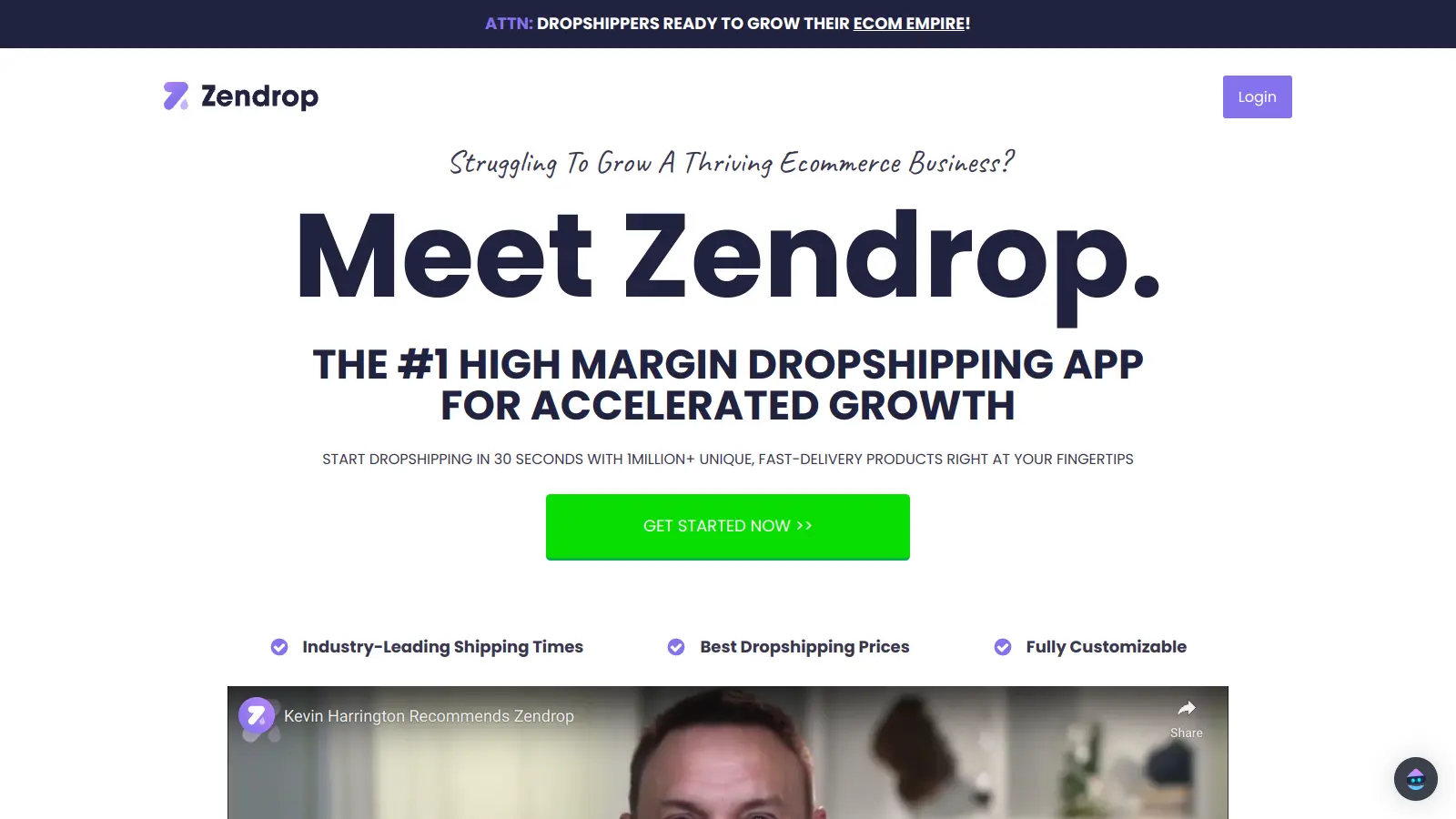
Zendrop is a dropshipping platform that automates order fulfillment, product sourcing, and inventory management for e-commerce stores. It connects merchants with vetted suppliers, offers access to over a million products, and handles everything from automated order processing to fast US-based shipping. The platform includes AI tools, custom branding options, and integrations with Shopify and other e-commerce platforms to help entrepreneurs run their online stores efficiently.
best deal
Get $40 off your first month on the Plus plan (bringing it to $39) or try any paid plan free for 3 days

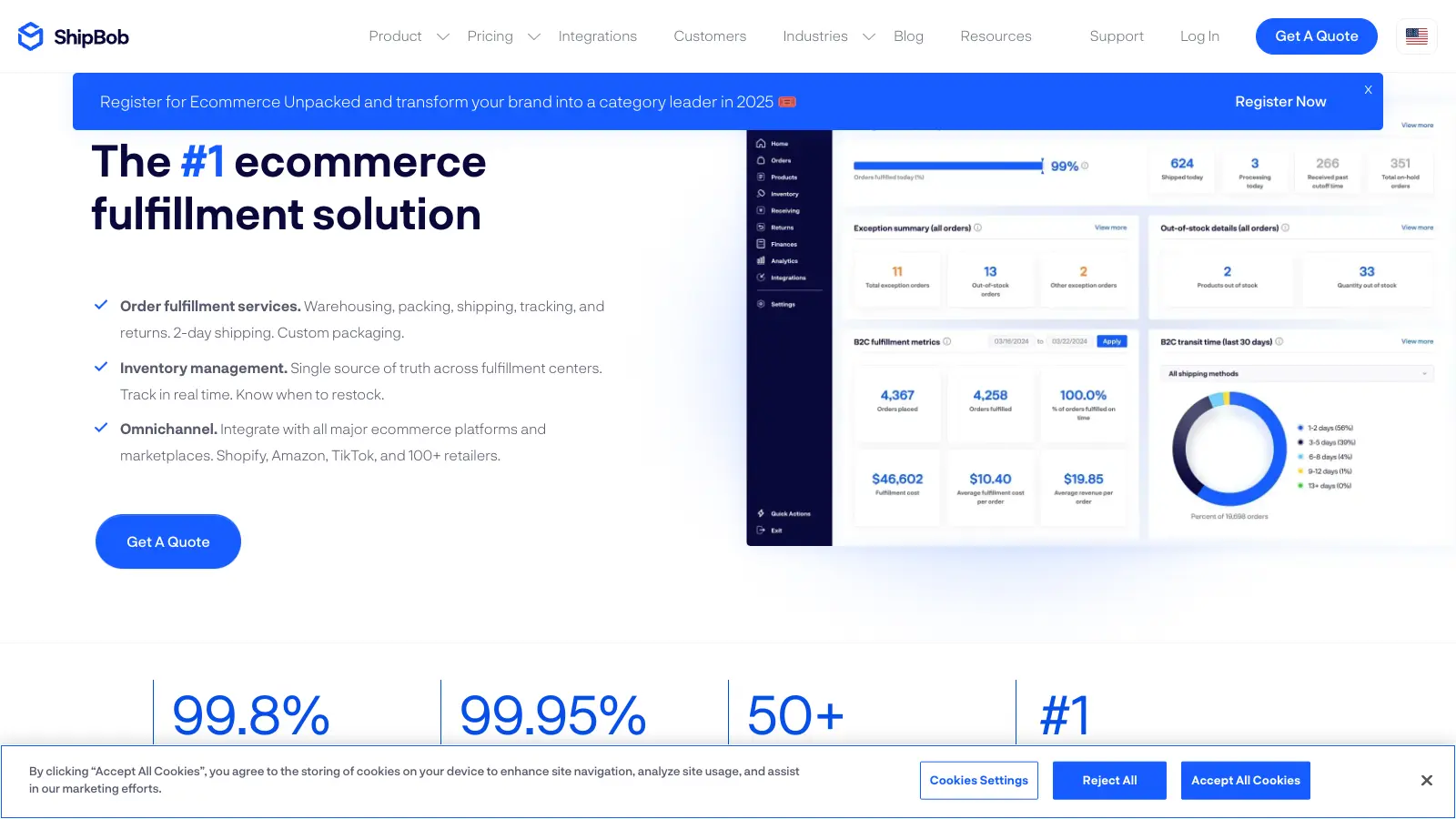
ShipBob is a third-party logistics company that provides ecommerce fulfillment services to online businesses worldwide. Founded in 2014, they offer inventory storage, picking, packing, shipping, and returns management across a network of 60+ fulfillment centers. Their platform integrates with 50+ ecommerce platforms, enabling businesses to automate order fulfillment, manage distributed inventory for faster 2-day shipping, and scale without building their own warehouse infrastructure.
best deal
Get started with ShipBob for $5/month bin storage + first 4 picks free